

Personal Tax Return HMRC
in London
Personal Tax Return & Self-Assessment Filing to HMRC in London
Everything Londoners need to know about personal tax returns and Self-Assessment filing to HMRC, including deadlines, documents, filing steps, penalties, tax-saving opportunities, and expert help.
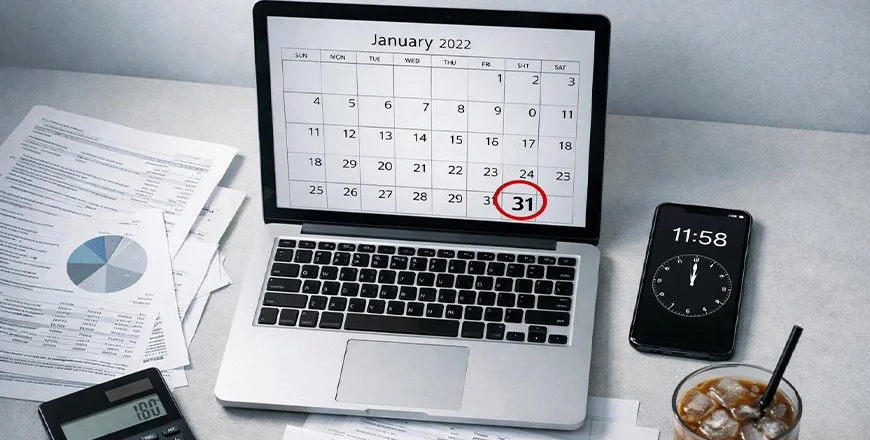
Deadline reminder: The online Self-Assessment return for the 2024/25 tax year was due by 31 January 2026. If you missed it, contact HMRC as soon as possible to limit penalties. For the 2025/26 tax year, the online filing deadline is 31 January 2027.

1. What Is a Personal Tax Return (Self-Assessment)?
In the UK, most employees have their Income Tax collected automatically through the Pay As You Earn (PAYE) system. However, millions of people — particularly in a diverse, high-earning city like London — need to report additional income directly to HM Revenue & Customs (HMRC) through a Self-Assessment tax return.
The main form is the SA100, with supplementary pages depending on your income type. It lets HMRC calculate exactly how much Income Tax and National Insurance you owe for a given tax year. The UK tax year runs from 6 April to 5 April the following year, so the 2025/26 tax year covers income earned between 6 April 2025 and 5 April 2026.
2. Who Needs to File a Self-Assessment Return?
You must file a Self-Assessment return if any of the following applied to you during the relevant tax year:
You may need to file if
- You were self-employed as a sole trader and earned more than £1,000.
- You were a partner in a business partnership.
- You received rental income as a landlord.
- You had untaxed income, such as savings interest, dividends, or foreign income.
- Your total taxable income exceeded £150,000.
- You need to pay the High Income Child Benefit Charge.
- You received income from abroad or are a non-domiciled UK resident.
- You had capital gains above the Annual Exempt Amount.
- HMRC sent you a notice to file a return.
London-specific note: Many Londoners have multiple income streams, including contracting work, Airbnb rentals, investment portfolios, or overseas income, all of which can trigger a Self-Assessment obligation. If you are unsure whether you need to file, speak with an ENCY&LINE advisor for a quick eligibility check.
3. Key Dates & Deadlines
Missing HMRC deadlines triggers automatic penalties, even if you owe no tax. Mark these dates in your calendar:
| Deadline | Date | Details |
|---|---|---|
| Register for Self-Assessment | 5 Oct 2025 | New filers for the 2024/25 tax year. |
| Paper return (2024/25) | 31 Oct 2025 | If filing by post using the SA100 form. |
| Online return and payment (2024/25) | 31 Jan 2026 | Online filing and any tax owed. |
| PAYE collection option | 30 Dec 2025 | File online to collect an underpayment below £3,000 through PAYE. |
| First payment on account | 31 Jan 2026 | Advance payment towards the 2025/26 bill. |
| Second payment on account | 31 Jul 2026 | Second advance payment towards the 2025/26 bill. |
| Online return and payment (2025/26) | 31 Jan 2027 | Next year's online filing deadline. |
You can file your return from 6 April onwards. Filing early gives you more time to check for errors, plan your payment, and receive any refund sooner.
4. Documents You'll Need
Self-Assessment document checklist
- UTR (Unique Taxpayer Reference), the 10-digit number issued by HMRC.
- Government Gateway login details for your HMRC online account.
- P60, P45, and P11D forms from your employer.
- Self-employment invoices, receipts, bank statements, and mileage logs.
- Rental income and expense records, tenancy agreements, mortgage statements, and repair costs.
- Dividend vouchers and investment statements.
- Capital gains records showing sale proceeds and original asset costs.
- Foreign income details and Gift Aid donation records.
5. How to File Your Self-Assessment Return: Step by Step
- Register with HMRC: you have never filed before, register by 5 October following the end of the relevant tax year. Your UTR can take up to 10 working days to arrive.
- Sign in to Government Gateway: Access your Personal Tax Account through HMRC's online portal, create an account if needed, and enable two-step verification.
- Select the tax year and complete your return: Enter personal details, employment income, self-employment profits, property income, capital gains, foreign income, reliefs, and allowances.
- Review and submit: Check every figure carefully, submit the return, and retain your submission reference number.
- Pay any tax owed: Pay by 31 January using an accepted payment method. If you cannot pay in full, contact HMRC promptly about a Time to Pay instalment plan.
6. Penalties for Late Filing or Payment
HMRC penalties are automatic and apply even if you owe no tax:
| Delay | Potential penalty |
|---|---|
| 1 day late | £100 fixed penalty. |
| 3 months late | £10 per day for up to 90 days, a maximum additional penalty of £900. |
| 6 months late | 5% of the tax due or £300, whichever is greater. |
| 12 months late | A further 5% of the tax due or £300, whichever is greater. |
| Late payment | Interest from 31 January plus 5% surcharges at 30 days, 6 months, and 12 months. |
ENCY&LINE tip: If you have a reasonable excuse, such as serious illness or bereavement, you may be able to appeal a penalty. Contact HMRC promptly and keep supporting evidence. ENCY&LINE can assist with penalty appeals and HMRC correspondence.
7. Allowable Expenses & Tax-Saving Tips for London Filers
Claiming all legitimate expenses reduces your tax bill. Common allowable deductions include:
- Self-employment expenses: Office costs, business travel, professional subscriptions, the business proportion of phone and broadband costs, and marketing.
- Home office costs: An eligible proportion of utility bills, broadband, or rent when working from home.
- Property expenses: Letting agent fees, repairs and maintenance, and landlord insurance.
- Pension contributions and Gift Aid: Eligible contributions and donations can reduce your tax liability or extend your basic-rate band.
- Capital allowances: Qualifying equipment purchased for business use, including computers, tools, and vehicles.
- Trading and property allowances: Each can provide up to £1,000 tax-free for eligible small trading, miscellaneous, or property income.
8. Why Use an Accountant in London for Your Self-Assessment?
London's tax landscape is complex. High property values, diverse income sources, international connections, and frequent legislative changes mean even straightforward returns can contain costly errors. A qualified accountant can ensure your return is accurate and compliant, identify allowable deductions and reliefs, handle HMRC correspondence, advise on payments on account and cash-flow planning, file on time, and provide year-round tax planning.
Need Help with Your Tax Return?
ENCY&LINE's specialist tax team in London handles personal tax returns, Self-Assessment filing, HMRC correspondence, and year-round tax planning.
A personal tax return is a Self Assessment return submitted to HMRC to report income, gains, allowances, reliefs, and tax due for a UK tax year.
Support is useful for sole traders, directors, landlords, investors, high earners, and anyone with income or gains that are not fully taxed through PAYE.
The online filing deadline is normally 31 January after the end of the tax year, and payment is usually due on the same date.
Yes. A qualified accountant can review allowable expenses, pension relief, Gift Aid, property claims, capital gains planning, and other legitimate reliefs where they apply.
Yes. Once authorised, ENCY&LINE can prepare and submit your Self Assessment return, check the tax calculation, and communicate with HMRC about your personal tax return.



Speak to Our Tax Advisors Today