

Personal Tax Return HMRC
in London
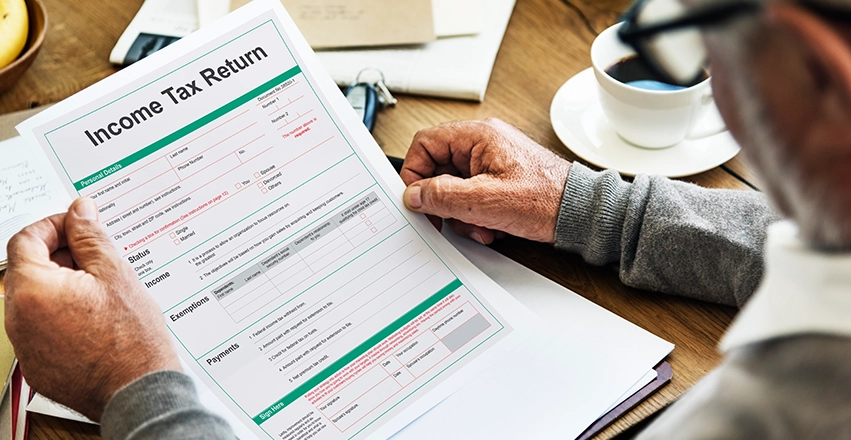
Personal Tax Return HMRC in London: A Practical Guide to Self Assessment
A personal tax return is the annual Self Assessment return used to report income, gains, allowances, reliefs, and tax due to HMRC. For many people in London, PAYE does not tell the full story. Directors, sole traders, landlords, investors, high earners, and individuals with overseas income may all need to file a personal tax return with HMRC.
Getting the return right matters because HMRC expects accurate figures, clear records, and timely submission. A missed deadline, incorrect expense claim, undeclared income source, or overlooked relief can lead to penalties, interest, or an unnecessary tax bill. With the right preparation, your return becomes more than a compliance task; it becomes a useful review of your full personal tax position.


Who Needs to File a Personal Tax Return?
You may need to submit a Self Assessment tax return if HMRC cannot collect all tax automatically through PAYE or another reporting system. This often applies where income comes from more than one place, where reliefs need to be claimed, or where HMRC needs a detailed breakdown of taxable activity.
Common reasons include
- Self-employment — sole traders, freelancers, consultants, and side-income earners with more than £1,000 of income before expenses.
- Company directorship — directors with dividends, benefits, loans, or income not fully taxed at source.
- Property income — landlords receiving rental income from UK or overseas property.
- Investment income — dividends, savings interest, capital gains, crypto gains, or share disposals.
- High Income Child Benefit Charge — taxpayers who need to report and pay the charge through Self Assessment.
- Partnership income — partners in business partnerships and individuals with partnership profit shares.
- Foreign income — overseas earnings, pensions, property income, or remittances requiring UK disclosure.
Key HMRC Deadlines
Most personal tax returns follow the UK tax year, which runs from 6 April to 5 April. For the 2025/26 tax year, which ended on 5 April 2026, the main online filing and payment deadline is 31 January 2027. This is also the date by which most balancing payments must be made.
| Deadline | What it usually covers |
|---|---|
| 5 October 2026 | Registering for Self Assessment if you need to file for 2025/26 and are not already registered. |
| 31 October 2026 | Paper tax return deadline, where a paper return is being used for 2025/26. |
| 31 January 2027 | Online tax return filing, balancing payment, and first payment on account where applicable. |
| 31 July 2027 | Second payment on account where HMRC requires advance payments. |
If you are unsure whether you need to file, it is better to check early. Waiting until January often leaves little time to gather income records, claim reliefs correctly, or resolve HMRC account access issues. HMRC late filing penalties start with an initial £100 charge, and further penalties can apply if the return or payment remains outstanding.
Making Tax Digital for Income Tax
Making Tax Digital for Income Tax is now a major part of personal tax planning for sole traders and landlords. From 6 April 2026, it applies where qualifying income from self-employment and property is more than £50,000. The threshold reduces to more than £30,000 from 6 April 2027 and more than £20,000 from 6 April 2028.
If you are within scope, you need digital records and MTD-compatible software for quarterly updates to HMRC. MTD does not remove the need to finalise your annual tax position; it changes the way records and updates are submitted during the year.
What Information Goes into a Personal Tax Return?
A complete personal tax return should show all taxable income and relevant claims for the year. The exact sections depend on your situation, but the most common items include employment income, self-employment profits, rental income, dividends, savings interest, pension contributions, charitable donations, student loan deductions, and capital gains.
Documents to prepare
- P60, P45, P11D, payslips, and employment benefit details.
- Self-employment income, invoices, receipts, mileage records, and business bank statements.
- Rental income statements, mortgage interest details, repairs, agent fees, insurance, and service charges.
- Dividend vouchers, bank interest certificates, investment reports, and capital gains calculations.
- Pension contribution confirmations, Gift Aid donations, and other tax relief evidence.
- HMRC notices, Unique Taxpayer Reference, Government Gateway access, and payment-on-account details.
Why London Taxpayers Often Overpay
Many personal tax returns are filed accurately enough to avoid immediate questions, but not carefully enough to minimise tax within the rules. This is especially common where income is spread across employment, property, dividends, and side work.
Overpayments often happen because allowable expenses are missed, pension relief is not claimed correctly, Gift Aid is ignored, marriage allowance is not reviewed, property finance costs are misunderstood, or payments on account are not reduced when income has fallen. A well-prepared Personal Tax Return HMRC in London service should check the return before filing, not simply submit figures at the last minute.
How ENCY&LINE Helps
ENCY&LINE supports individuals across London with Self Assessment registration, record review, personal tax return preparation, HMRC submission, tax calculation checks, and deadline management. We also help identify legal reliefs and allowances so your return is both compliant and commercially sensible.
Whether you are a director, landlord, consultant, employee with additional income, investor, or first-time filer, we can help you understand what HMRC needs, what records to keep, and what action to take before the deadline arrives.
A personal tax return is a Self Assessment return submitted to HMRC to report income, gains, allowances, reliefs, and tax due for a UK tax year.
Support is useful for sole traders, directors, landlords, investors, high earners, and anyone with income or gains that are not fully taxed through PAYE.
The online filing deadline is normally 31 January after the end of the tax year, and payment is usually due on the same date.
Yes. A qualified accountant can review allowable expenses, pension relief, Gift Aid, property claims, capital gains planning, and other legitimate reliefs where they apply.
Yes. Once authorised, ENCY&LINE can prepare and submit your Self Assessment return, check the tax calculation, and communicate with HMRC about your personal tax return.



Speak to Our Tax Advisors Today